






Looking for ways to celebrate America 250 in Missouri? Explore the people, places, and events that helped shape the nation with this self-guided historical tour of St. Charles, Missouri. As one of the oldest cities west of the Mississippi River, St. Charles played a role in significant chapters of American history.
From Lewis and Clark's final preparations before their expedition and Daniel Boone's legacy on the frontier to Missouri's first state capitol and Historic Main Street that witnessed centuries of change, St. Charles offers a unique opportunity to experience American history firsthand. Follow this itinerary for 25 ways to discover historic sites, museums, landmarks, and hidden stories that connect St. Charles to the larger American story as the nation commemorates its 250th anniversary.
REVOLUTIONARY & EARLY AMERICA
1. If you’ve driven along the lakefront in Chicago or visited DuSable Park in St. Charles, you may recognize this name. Jean Baptiste Point du Sable, the founder of Chicago, eventually settled in Saint Charles, where he operated a ferry across the Missouri River.
WHERE TO VISIT: St. Charles Borromeo Cemetery is the final resting place of Jean Baptiste Point du Sable, along with Louis Blanchette, the founder of St. Charles, and the many ordinary and extraordinary members of St. Charles’ history.
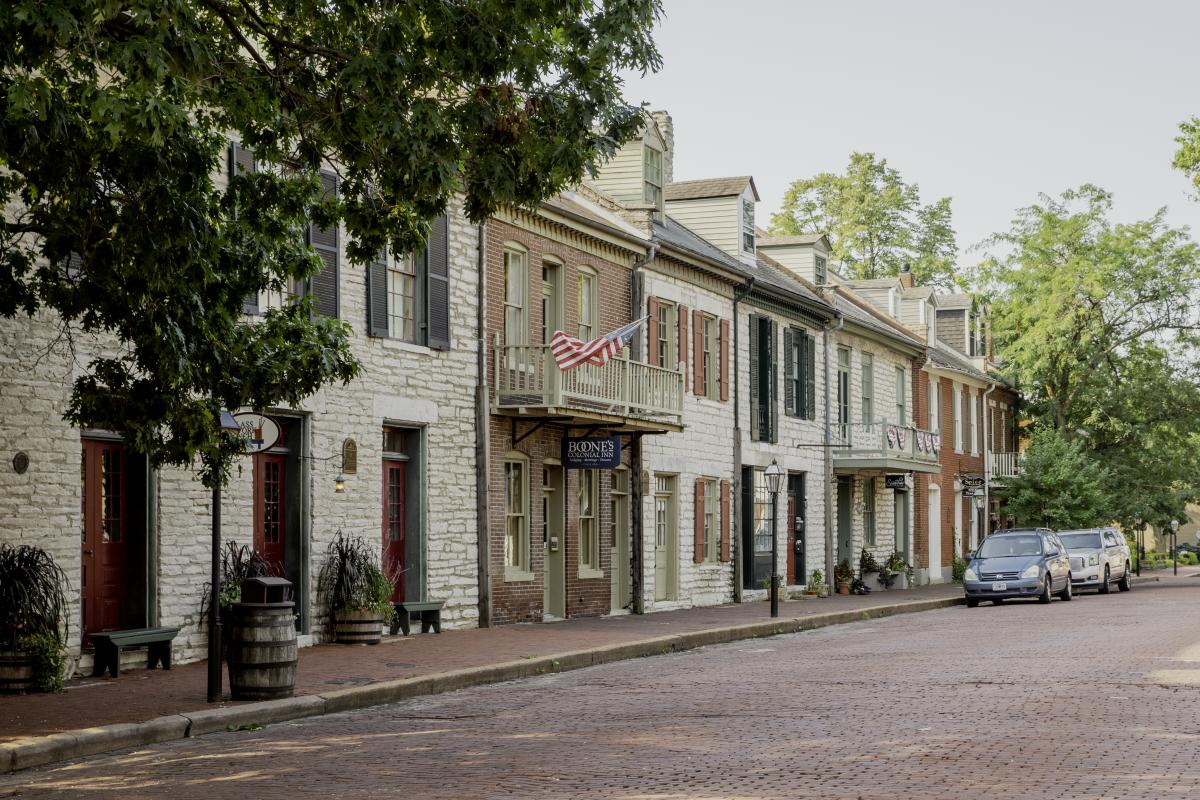
2. No trip to St. Charles is complete without a visit to Main Street. Designated as the first and largest historic district in Missouri, Main Street features 14 blocks of historic storefronts and buildings that have witnessed over a century of change.
WHERE TO VISIT: Visitors can easily spend an entire day on Main Street. Admire the architecture (including Stone Row, St. Charles’ version of the Painted Ladies) and find the oldest building on the street: 719 S Main Street, built in the very late 1700s.
KEY TO THE WEST
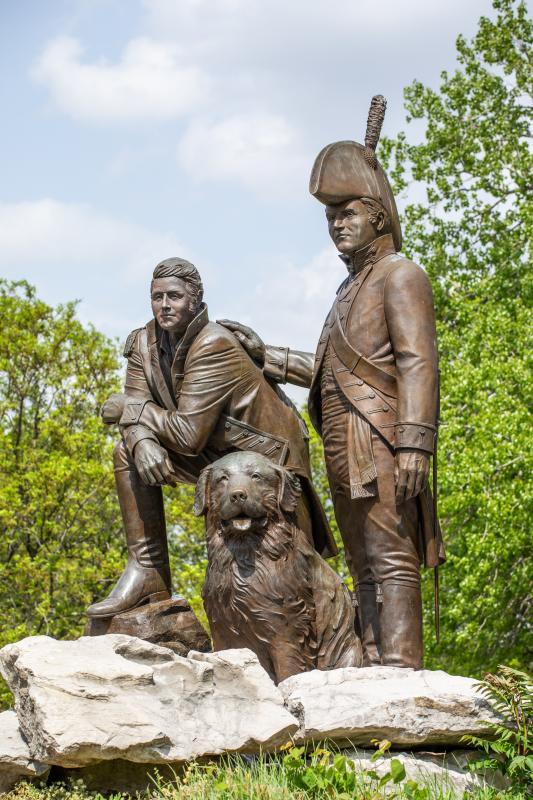
3. If the statue in Frontier Park, silhouette on the sign that welcomes thousands of visitors to Main Street, or the fact that our trolleys are named “Lewis” and “Clark” doesn’t give away that the duo has a connection to St. Charles, we don’t know what does! From May 16-20, 1804, Lewis & Clark made the final preparations for their journey west in St. Charles. They returned over two years later, symbolizing the competition of a successful expedition.
WHERE TO VISIT: A 15-foot-tall statue of Lewis & Clark and their dog, Seaman, stands in Frontier Park near the spot they left on the Missouri River.
Speaking of their dog, keep an eye out for Newfoundland dog statues around the city. 25 were made for St. Charles’ Sestercentennial Celebration in 2014 and while some are gone, several still exist. Find some of them at the Foundry Art Centre, St. Charles County Historical Society, and the Old Post Office. Don’t forget to rub his nose for good luck!
Visit the Lewis & Clark Boat House and Museum to see life-size replicas of the keelboats used by the Corps of Discovery and explore exhibits detailing the Lewis and Clark Expedition. Along the way, enjoy picturesque views of the Missouri River that helped shape their historic journey.
4. No, the statue of Daniel Boone at 724 S Main Street isn’t holding his hand out to take a selfie. Gesturing out at the street, this famous frontiersman has a deep connection to the area, despite being known for exploring and settling the state of Kentucky. Later in his life, Boone settled in St. Charles, where he passed away in 1820.
WHERE TO VISIT: Boone’s statue at 724 S Main Street built in 2009.
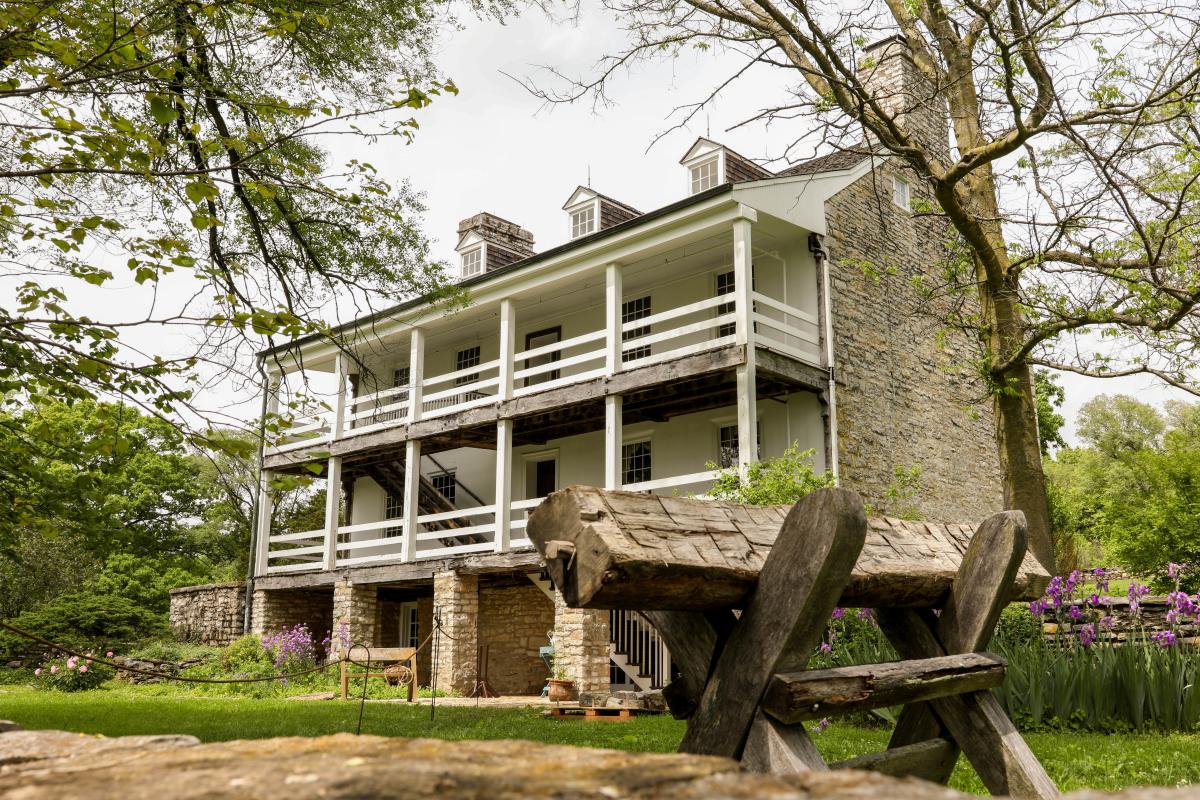
Boone’s son, Nathan, built a family home in Historic Missouri Wine Country in 1799, where Boone himself lived for many years up to his death. Today, known as the Historic Daniel Boone Home, the house is still there along with a village of 19th-century buildings that were later added to preserve history of the time. Paid tours of the house are available, and visitors are welcome to stroll through the grounds for free.
Boone’s Lick Road was established by Boone and his sons to transfer salt from their salt lick to the city. The road later became the starting point for the Santa Fe Trail and the Oregon Trail.
5. Much of the American West was charted on Main Street St. Charles. 515 S Main Street was home to Eckert’s Tavern, a popular spot for politicians and frontiersmen. Appointed by John Quincy Adams to survey the Santa Fe Trail to New Mexico, Major George Sibley, Benjamin Reeves, and Colonel Thomas Mather met here multiple times to plan the route, create treaties with indigenous tribes, maps, and other reports for the route. One of Missouri’s first U.S. senators, Thomas Hart Benton, delivered a speech from the front steps. General James Wilkinson, Governor of the Louisiana Territory and friend of Aaron Burr, met with Colonel Timothy Kibbe here to convince him to join them in creating an army to steal the Louisiana Purchase Territory from the United States to create his own country. Kibbe denounced the plot and exposed the traitors, leaving Burr to flee to Europe to avoid angry mobs.
WHERE TO VISIT: The site where expeditions were planned, speeches were made, and traitors met is now 1818 Bistrot, an American restaurant with French flair.
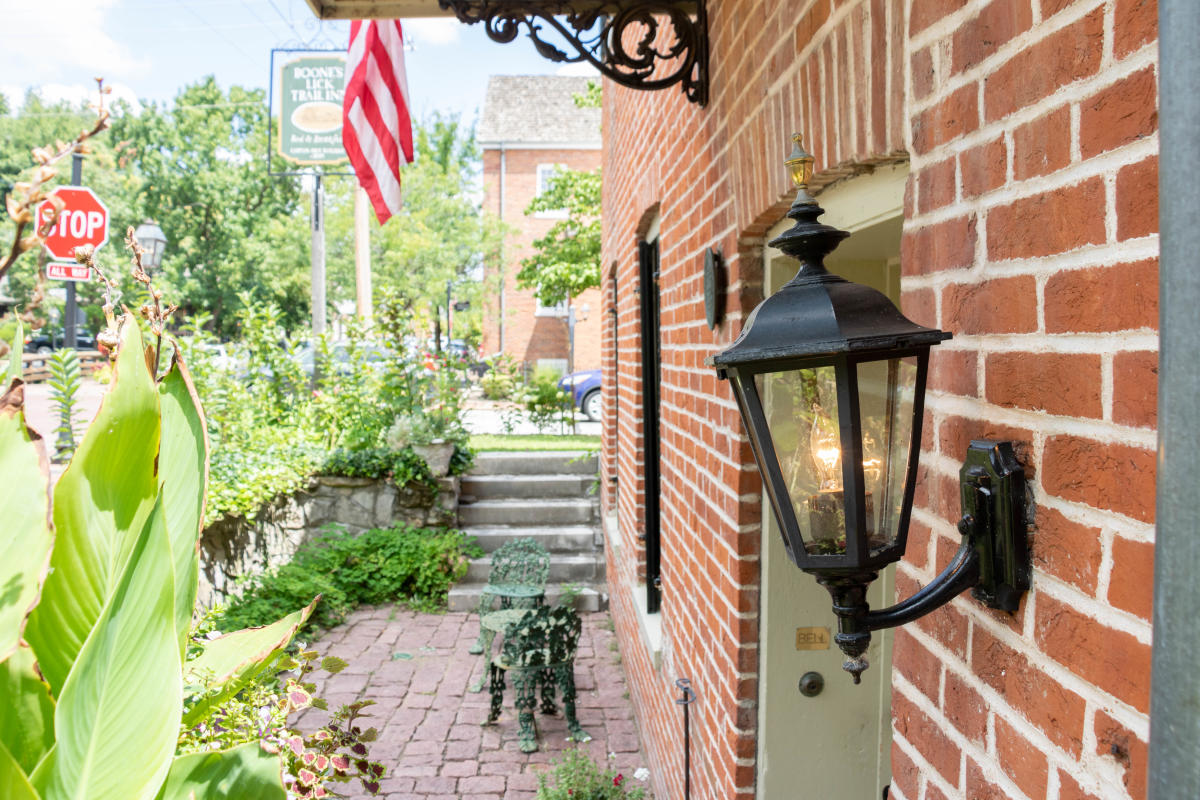
6. Today our roads are paved with asphalt (or in Main Street’s case, lined with bricks). But what about wood? In the 1850s, using wood planks, the St. Charles Western Plank Road was built along Boone’s Lick Road to Cottleville. It didn’t last long; travelers commonly used the planks as firewood or to pry wagon wheels out of the mud.
WHERE TO VISIT: The only known surviving plank from the Plank Road is at Boone’s Lick Trail Inn. The 8-foot-long plank hangs on the north wall to the rear of the inn.
EDUCATION
7. In the early 1800s, Catherine Collier, a wealthy, high-spirited woman who was opposed to slavery, used a small red building next to a church she built to teach indigenous and enslaved children to read and write. Due to her status in the community, she was allowed to teach these children without legal consequences.
WHERE TO VISIT: Known as the Collier Cottage, the little red building sits between Di Olivas Oil & Vinegar (617 S Main Street) and Once Upon a Time (625 S Main Street).
8. Several people advocated for education for all in St. Charles, including William Royce and H.H. Peck. Believing that young people of color deserved quality, full-day education, they created the Franklin School in Frenchtown.
WHERE TO VISIT: While the Franklin School has since been abandoned, it’s still standing, and the owner plans to renovate it and bring it into its next chapter.
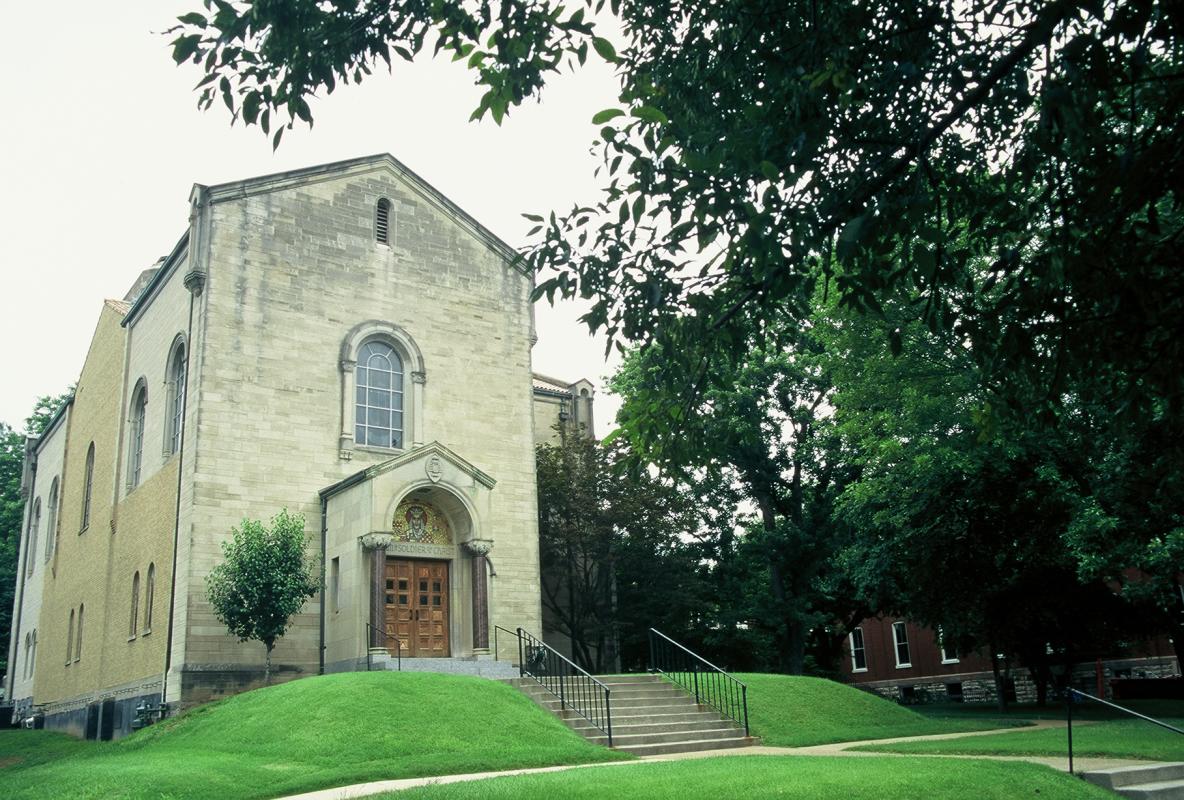
9. The Academy of the Sacred Heart in Frenchtown was the first free school west of the Mississippi River. Founded in 1818 by Philippine Duchesne, the daughter of a wealthy Frenchman described St. Charles as “the most distant village in the United States.” Mother Duchesne later became a saint due to her body being found intact after being exhumed three years posthumously. She is one of 10 saints from the United States.
WHERE TO VISIT: The Academy of the Sacred Heart still exists today as an independent Catholic School. It’s next to the Shrine of St. Rose Philippine Duschene, which is open several days a week for personal prayer and offers guided tours by appointment.
10. Located just minutes from Main Street St. Charles, Lindenwood University was founded in the early 19th-century by George Champlin Sibley and his wife, Mary Easton Sibley, as the Lindenwood School for Girls. The campus is situated on their land that was known as the “Linden Wood” due to its numerous linden trees. It is considered the second oldest higher-education institution west of the Mississippi River. The college became co-ed in 1969. Notable alumni include filmmaker, Lee Daniels, Olympic hockey gold medalist, Nicole Hensley, and Taylor Swift’s grandmother, Marjorie Finley, the namesake of her song “Marjorie”.
WHERE TO VISIT: Lindenwood’s campus features picturesque brick buildings including a library, football stadium, and the J. Scheidegger Center for the Arts that has performances and shows year round.
DEMOCRACY
11. Even though Illinois is the Land of Lincoln, the 16th president has a tie to St. Charles. A local lawyer, Arnold Krekel, was Lincoln’s last federal appointment made just seven days before his assassination. As a judge, Krekel helped end slavery in Missouri by helping pass the Missouri Emancipation Proclamation.
WHERE TO VISIT: Arnold Krekel’s law office was located at 819 S Main Street. The building is still a law office today.
724 S Main Street (Mad Hatter Antiques) was Lincoln’s local presidential campaign headquarters in 1860.
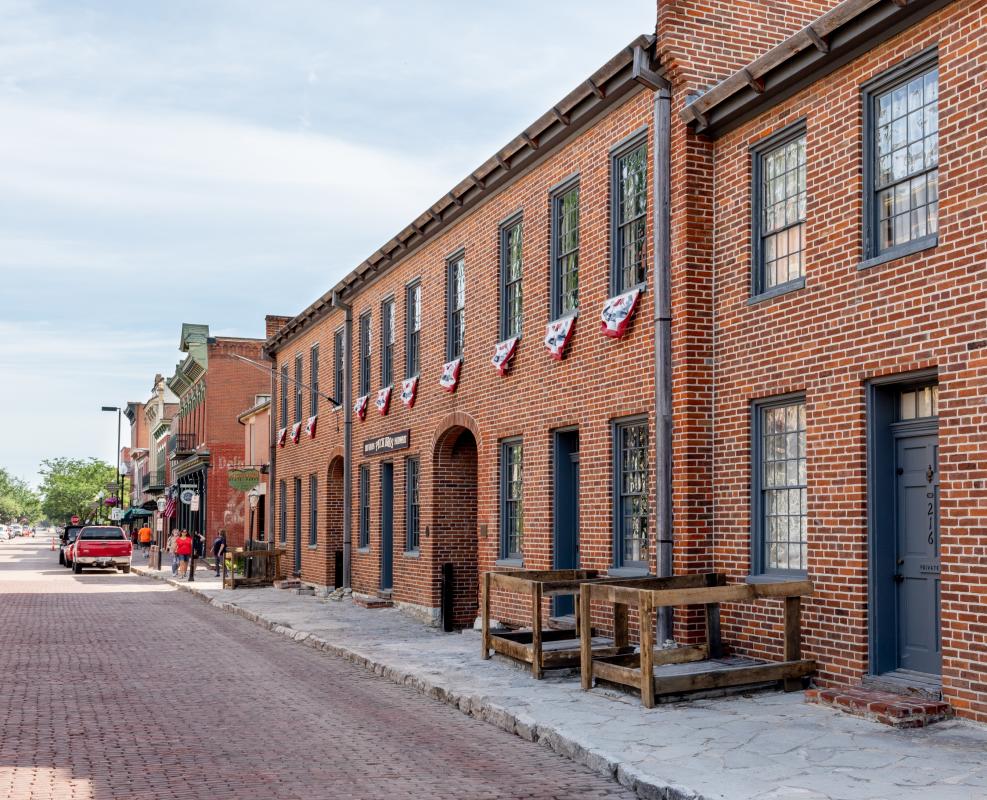
12. Despite the lack of a domed building on Main Street, it’s home to Missouri’s first state capitol. In fact, the capitol was located above a store (really!). From 1821 to 1826, state politicians held meetings and debates (including ones about state’s rights and slavery) in the First State Capitol above the Peck Bros Dry Goods and Hardware Store while the current capitol was being built in Jefferson City.
WHERE TO VISIT: Tours of the First Missouri State Capitol are offered daily. Restored to look as it did in the early 19th-century, explore exhibits and learn more about Missouri’s early government, political landscape, and daily life of the early 1800s.
13. A key moment in the nation's struggle for a free press began in St. Charles, where Elijah Lovejoy once lived. In 1937, Lovejoy preached two fiery antislavery sermons at the Second Street Presbyterian Church, where he was subsequently threatened. He returned to his mother-in-law’s home, when an angry mob appeared, broke into his home, and beat him. Lovejoy and his family escaped to Alton, Illinois to avoid being lynched where he became the editor of an anti-slavery newspaper, the Alton Observer. He was murdered just five weeks later while defending his printing press at his newspaper warehouse, becoming known as the first martyr to free press in the United States and an important figure in the era leading up to the Civil War.
WHERE TO VISIT: Lovejoy’s mother-in-law’s home is located above present day Goellner Printing (301 S Main Street). Peer in the window to see a vintage printing press that was like the ones he would use.
BUILDING A NATION – TRANSPORTATION & INDUSTRY
14. While we have a large interstate highway system today, the first highways were rivers like the Missouri River. As the key mode of transportation in the early days of St. Charles, everyone from indigenous tribes, city founder Louis Blanchette, Lewis & Clark, and steamboats used it to get from Point A to Point B.
WHERE TO VISIT: Enjoy views of the Missouri River from the Katy Trail, Frontier Park, and the Lewis & Clark Boat House and Museum. Located about 30 miles from the Mississippi River confluence, the Missouri River flows north in St. Charles to reach that point.

15. The railroad first arrived in St. Charles in 1851 and was huge in terms of transportation and shipment. Ushering in the industrial era, by 1895, the Missouri-Kansas-Texas put rails along the Missouri River, later becoming the Wabash line.
WHERE TO VISIT: The Katy Trail is the nation’s longest continuous recreational rail trail and sits on the former site of the Missouri-Kansas-Texas rail line. Popular with hikers, cyclists, and equestrians, the Katy Trail runs near Main Street and is a unique way to get to Historic Missouri Wine Country and other parts of the state.
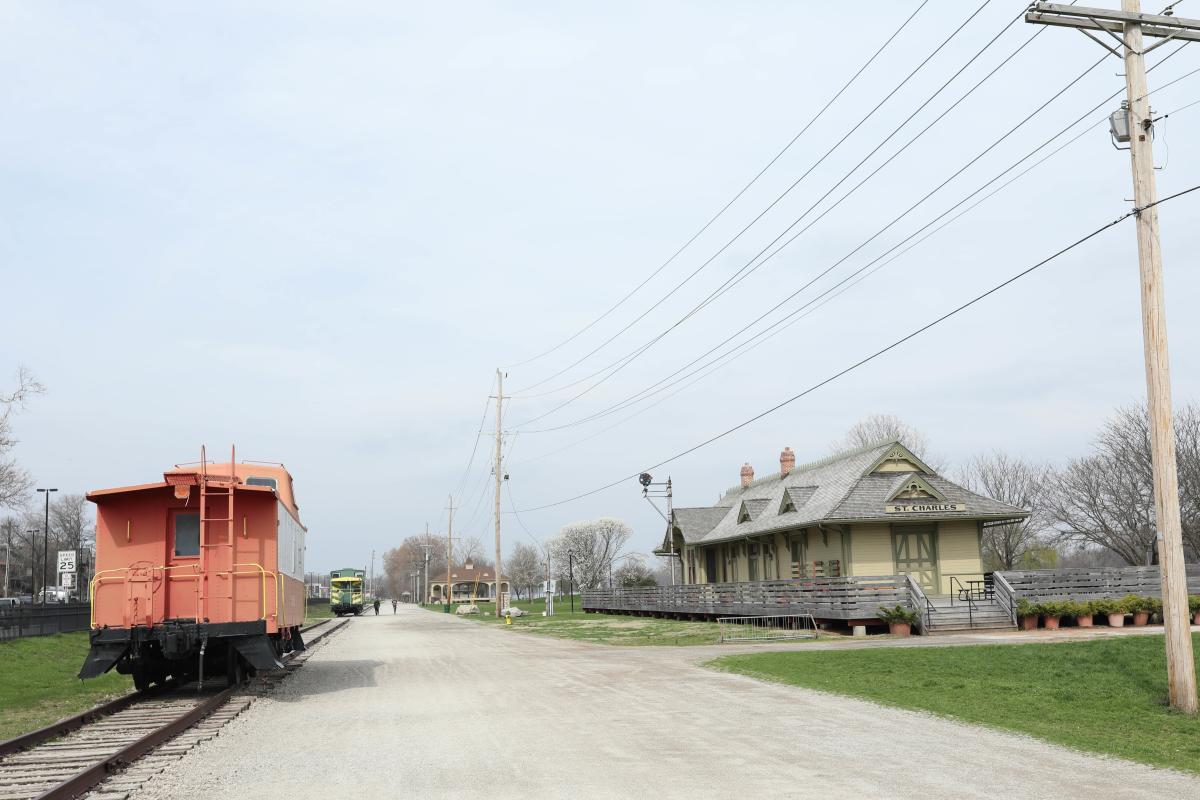
16. Built in 1893, the KATY Depot handled over $2 million worth of business at its height during the turn of the 20th century when freight trains and passenger trains came through the city. The last passenger train came through Saint Charles in the spring of 1958 and the last freight train in the spring of 1976.
WHERE TO VISIT: The KATY Depot now sits in Frontier Park along the Katy Trail. It was originally on the other side of the train tracks but was later moved to its current location for preservation. Two railcars sit near it, representing the two main railroad companies that used the station in its heyday.
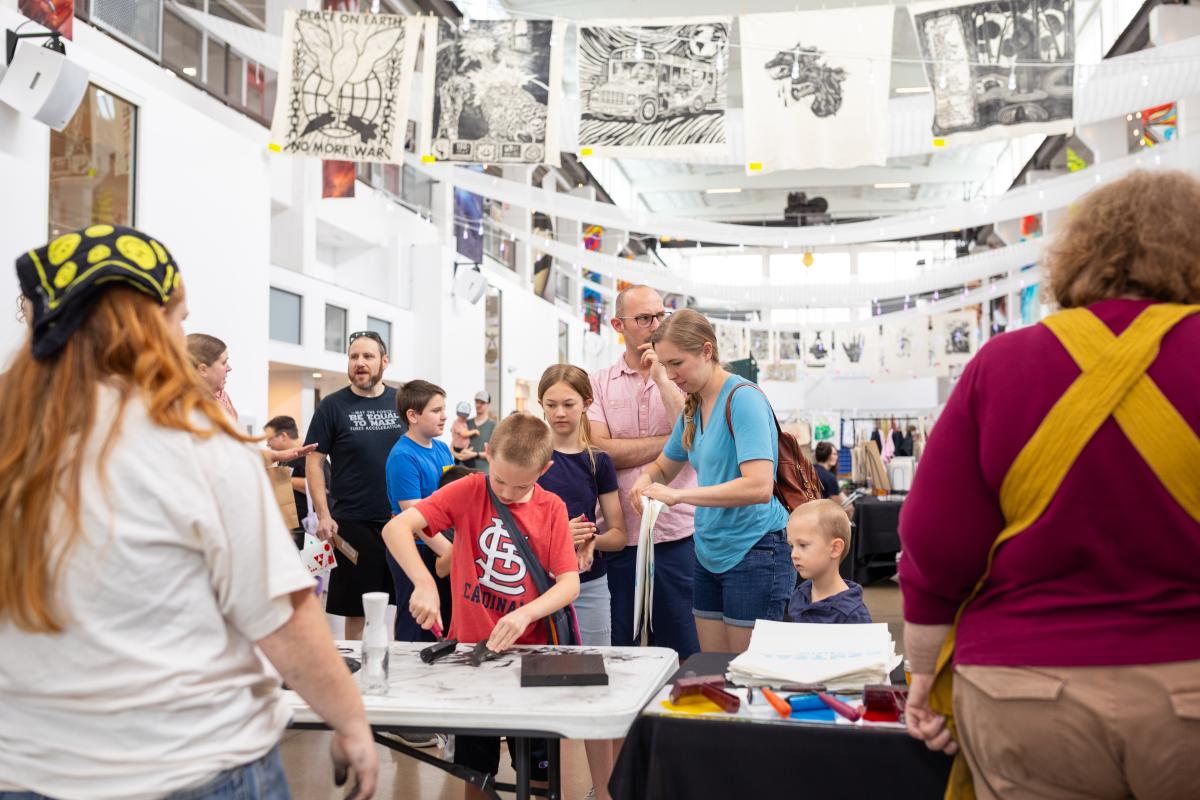
17. Now a bustling creative hub, the Foundry Art Centre was originally a train car factory. Horse-drawn street cars, private railcars, standard railroad coaches, boxcars, and more were built here. Later when World War II began, tanks were manufactured here to be used on battlefields in Europe and the Pacific.
WHERE TO VISIT: Open free to the public, the Foundry Art Centre features rotating art exhibitions, hands-on art classes, monthly First Friday events, and annual celebrations such as Fire Arts Fest, the Block Party, and Merry Makers Market.
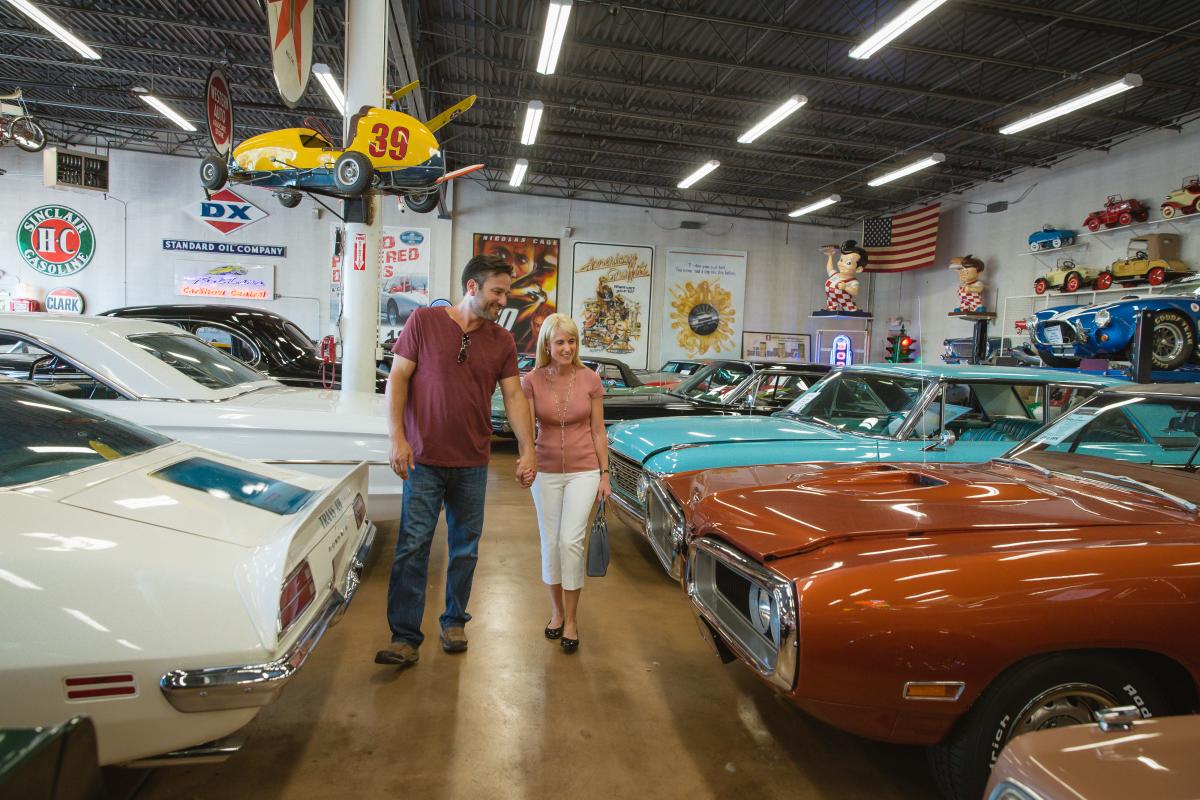
18. While St. Charles remained a major railroad center in the early 20th century, it also played a role in the rise of automobile travel. In 1956, the first interstate highway project in the country was built along US 40 (now I-70) which runs through St. Charles.
WHERE TO VISIT: Home to over 200 classic and collector cars, trucks, and motorcycles, Fast Lane Classic Cars offers visitors a chance to explore three expansive showrooms in St. Charles, showcasing vehicles from throughout automotive history.
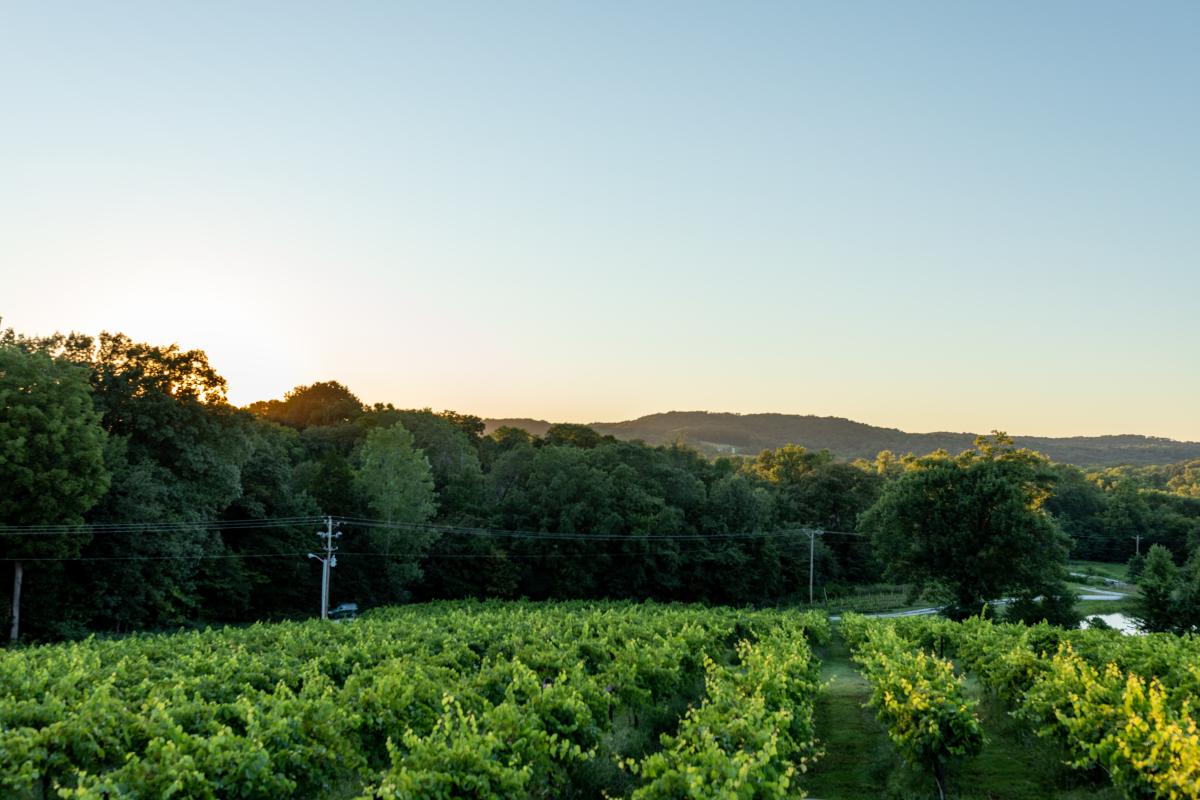
19. Historic Missouri Wine Country is home to the first American Viticultural Area (AVA) in the United States. Yes, even before Napa Valley! The wine industry goes back generations in this area. Today, you can sip your way through several wineries while enjoying views of vineyards on the rolling hills of the countryside.
WHERE TO VISIT: The towns of Augusta, Defiance, and New Melle make up Historic Missouri Wine Country, with eight wineries spread throughout them. Mount Pleasant Estates is the oldest winery in the region, established in 1859. The cellars used today date back to 1881!
WAR & SERVICE
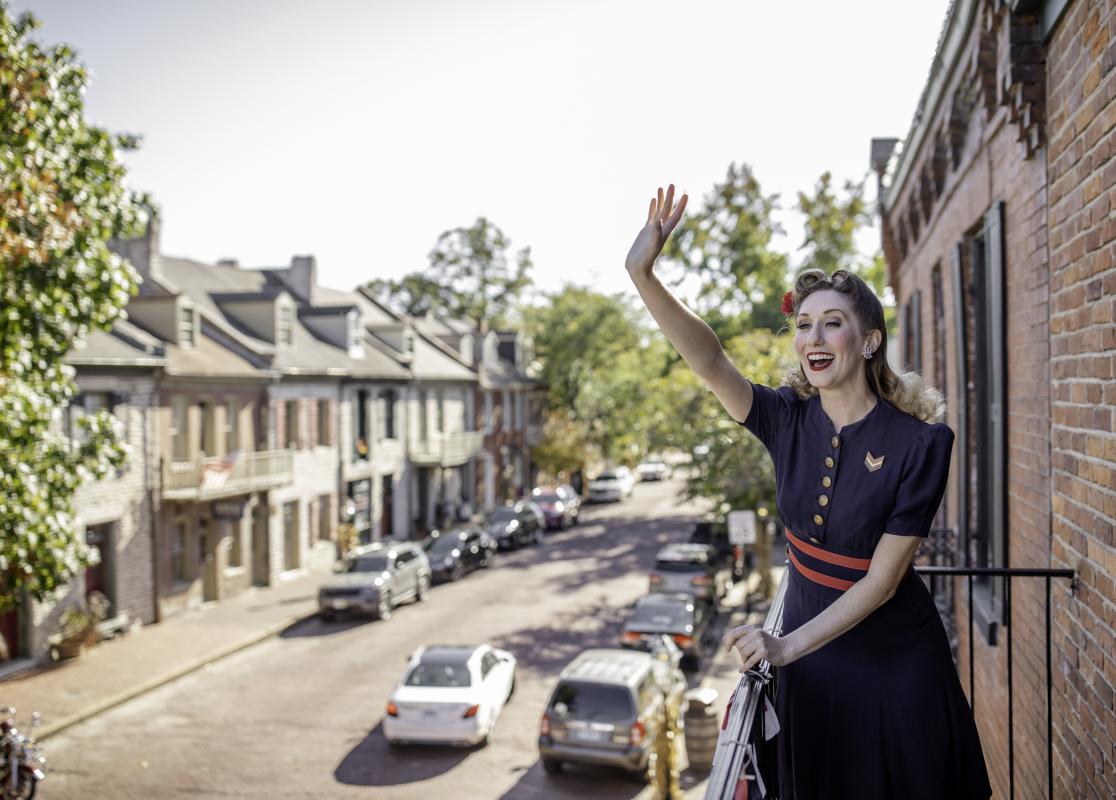
20. Celebrate America 250 in St. Charles with an evening of music, dancing, comedy, and variety acts. Inspired by the legendary USO camp shows that uplifted American servicemen and women, Dixie D’s Canteen: Stars, Stripes, & Songs is August 29 at 7:30 PM at the Foundry Art Centre celebrates the people, places, and melodies that make America unique.
WHERE TO VISIT: Purchase tickets to Dixie D’s Canteen: Stars, Stripes, & songs on the Foundry Art Centre’s website and get ready to celebrate America 250 in St. Charles.
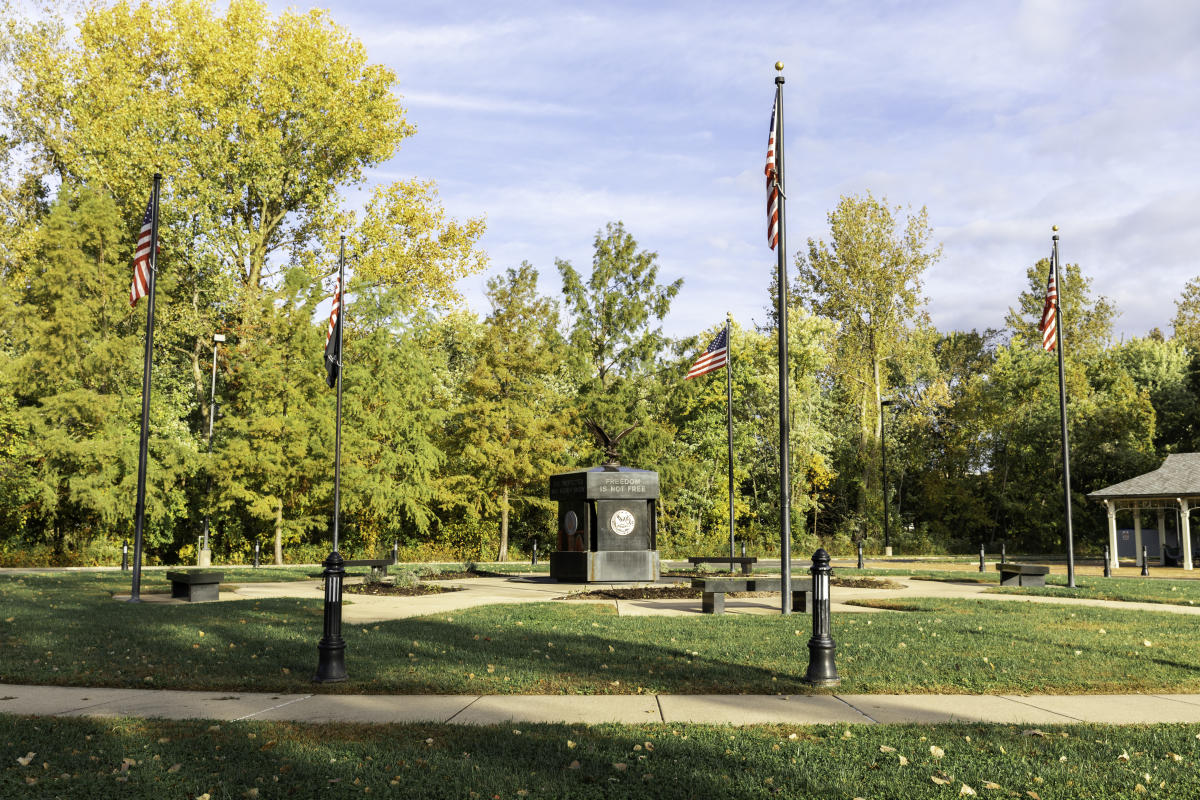
21. Pay your respects to those who have served our country at the St. Charles Veterans Memorial. Overlooking the Missouri River near the Lewis & Clark Boat House and Museum, the memorial provides a peaceful setting for reflection and remembrance.
WHERE TO VISIT: Find the Veterans Memorial by the Lewis & Clark Boat House and Museum.
ARTS, ENTERTAINMENT, & AMERICAN CULTURE
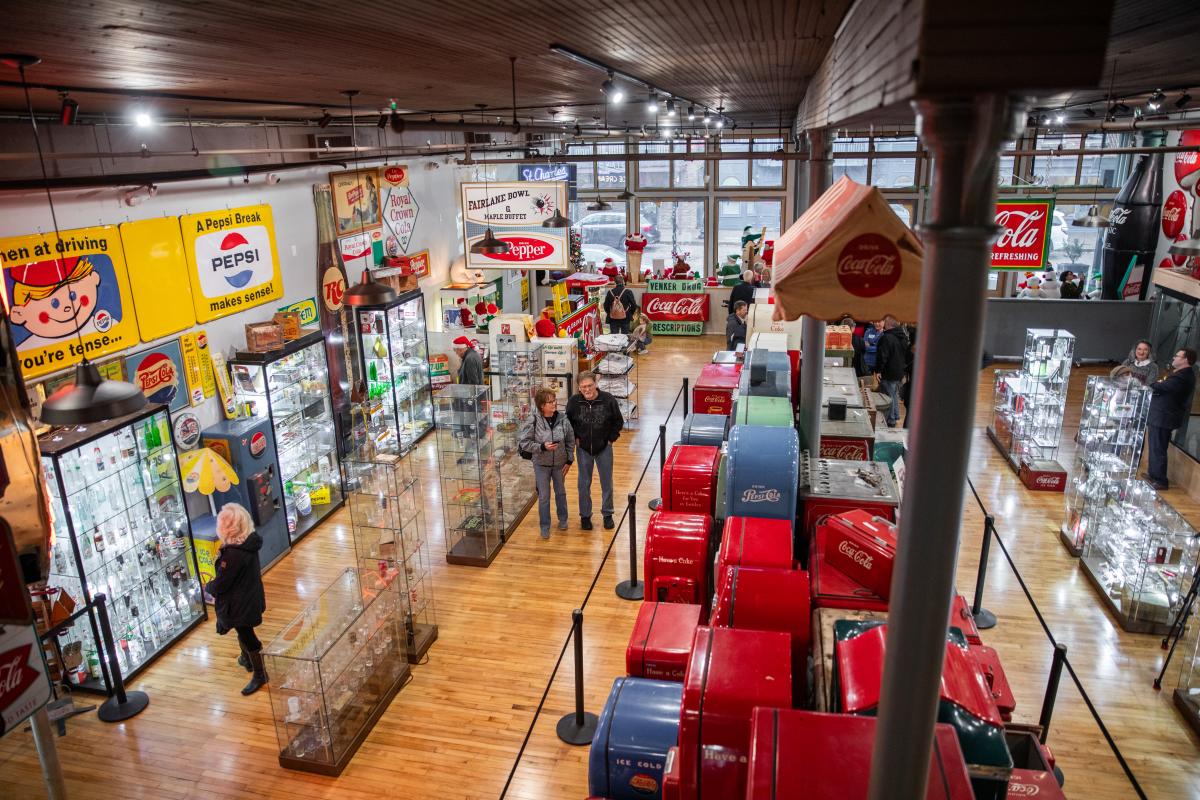
22. Soda became a POPular beverage in America during the 1840s, and St. Charles was quick to embrace the trend. For nearly a century, the building at 604 S. Main Street (The Collective Market) housed the Zeisler Soda Factory. Here, Zeisler Soda was bottled in distinctive blue-green glass bottles sealed with a rubber cork and metal spring. When opened, the spring released the cork with a sharp "pop," giving rise to the nickname "soda pop."
WHERE TO VISIT: Explore the history of America's favorite fizzy drink at the The Soda Museum on Main Street. View a vintage Zeisler soda bottle alongside memorabilia spanning from the 1880s to today for a nostalgic journey through soda history.
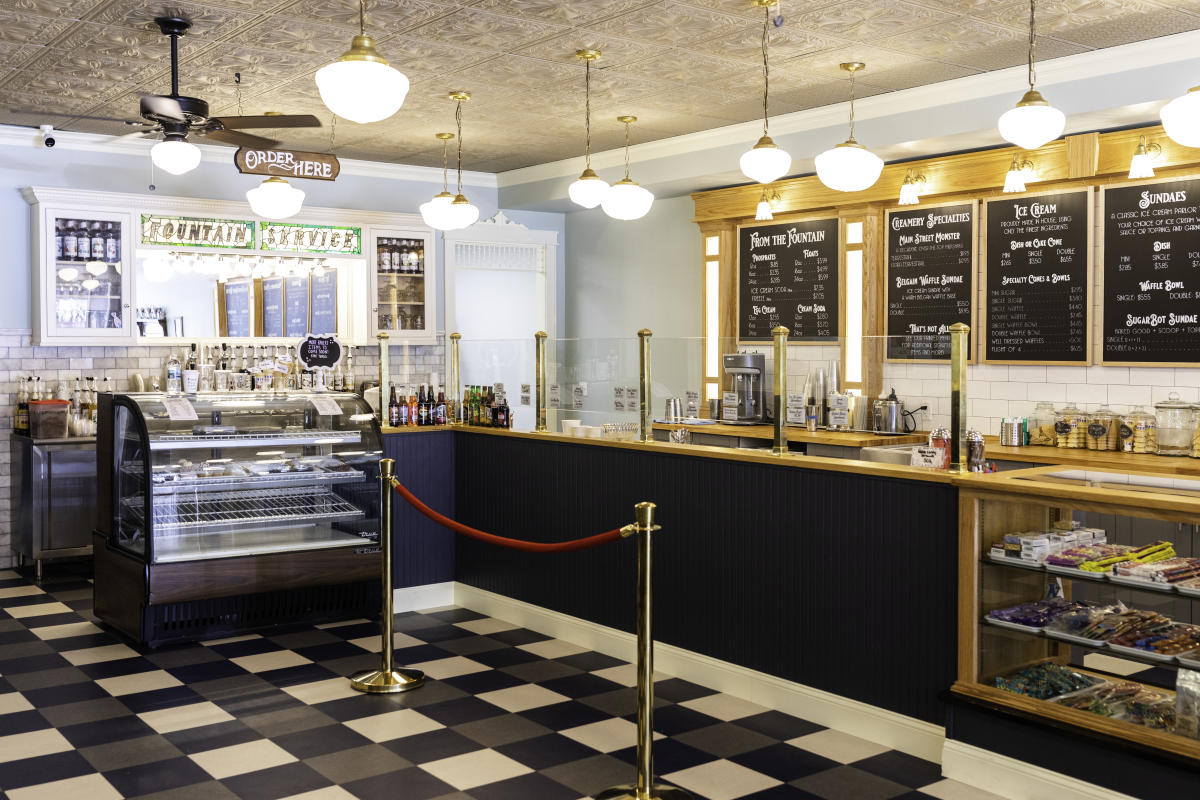
23. Residents of St. Charles once enjoyed watching movies on the silver screen on Main Street. From 1908 to 1924, the Electric Theatre operated as a state-of-the-art venue, drawing crowds eager to experience the new art form of motion pictures and silent films. After the theater closed and later became a Stove and Hardware Company, a movie theater returned in the 1940s with the opening of the Roxy Theatre, a three-story entertainment landmark.
Beyond its early cinema history, this charming river city has also appeared in a Disney film. The 300 block of South Main Street, the riverfront, and the Daniel Boone Home were used as filming locations in the 1990 film “Back to Hannibal”. St. Charles is also referenced in Marvel’s “Guardians of the Galaxy”, where the main character is from the city, though no scenes were filmed on location.
WHERE TO VISIT: Fans can view Back to Hannibal on YouTube and explore its filming locations right in St. Charles. The two former movie theater sites were located at 302 N. Main Street (now Sugarbot Creamery) and 218 N. Main Street (now Framations). Today, visitors can also enjoy a variety of local theaters around the area to catch the latest films.
24. Speaking of entertainment, the Grand Opera House once had an auditorium that sat 700 people with a 25-foot stage that hosted a variety of performances, including vaudeville acts, dramas, and silent films. As entertainment evolved in the early 1920s, the Grand Opera House adapted by showing motion pictures accompanied by live performances during intermission. By the late 1920s, however, the venue closed its doors, and the auditorium no longer exists today.
WHERE TO VISIT: The Grand Opera House still stands today at 311 N Main Street as an event venue, hosting weddings, receptions, parties, and special events.
GENERAL HISTORY
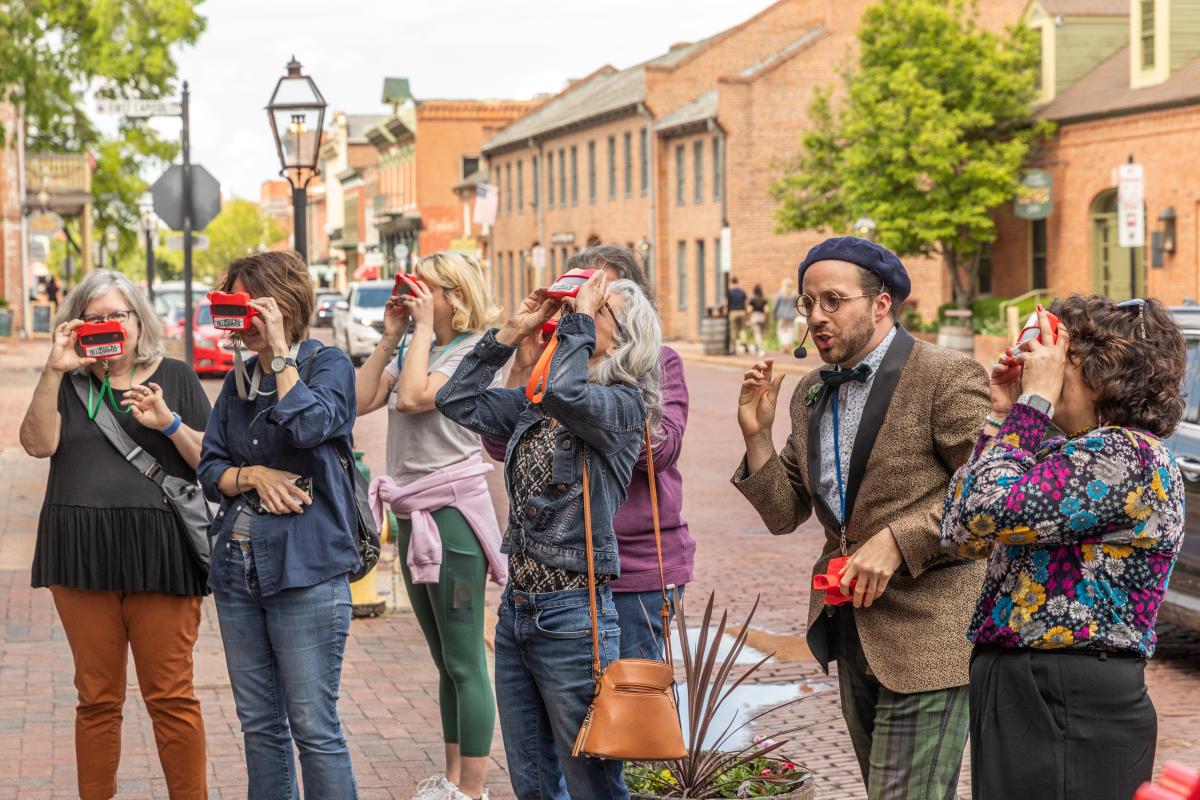
25. Interested in more St. Charles history? Take a Hit the Bricks tour! With four tour options to choose from, dive deeper into the fascinating people, places, and moments that have shaped St. Charles since 1769, while historic photographs in a view master help transport you back in time. It's the perfect way to experience the history behind the landmarks you've explored throughout your visit and discover even more connections between St. Charles and the American story.
WHERE TO VISIT: Purchase tickets at the Tourism Center at 230 S Main Street or online.
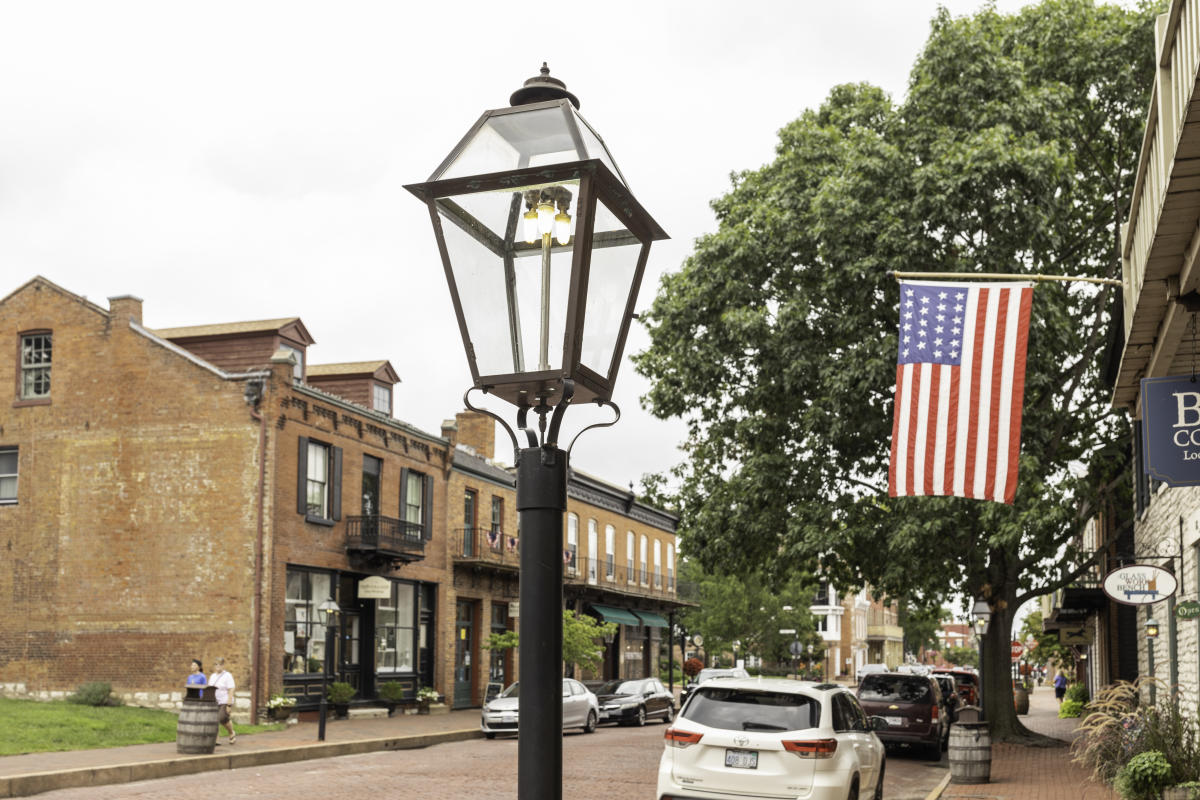
As America marks 250 years of history, there's no better time to discover the places where that story was shaped. From frontier explorers to educators, entrepreneurs, and everyday citizens, generations of Americans have left their mark on St. Charles.
Plan your visit to St. Charles, request a copy of our free visitor magazine, and start exploring what has made St. Charles historically awesome since 1769.